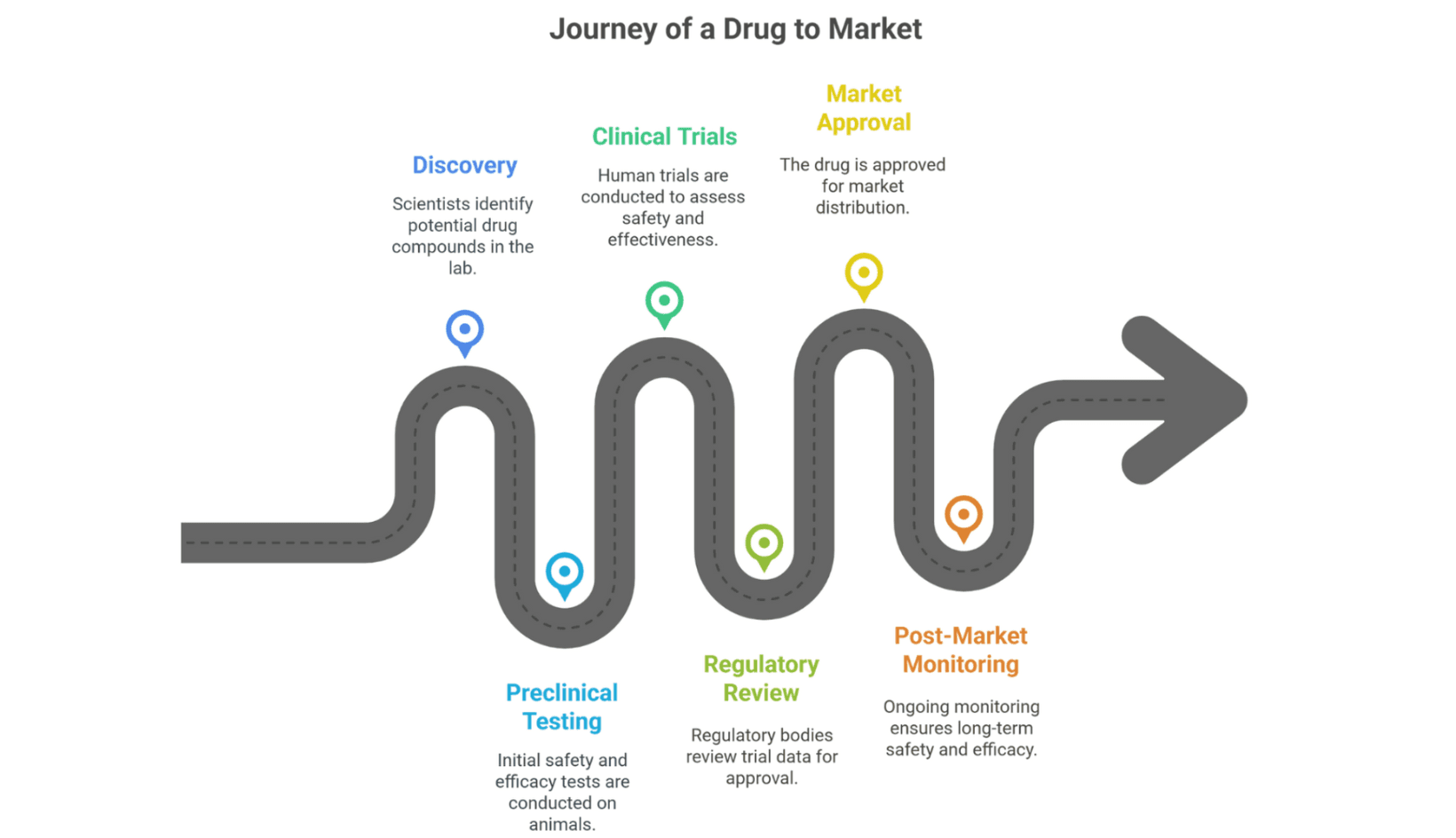
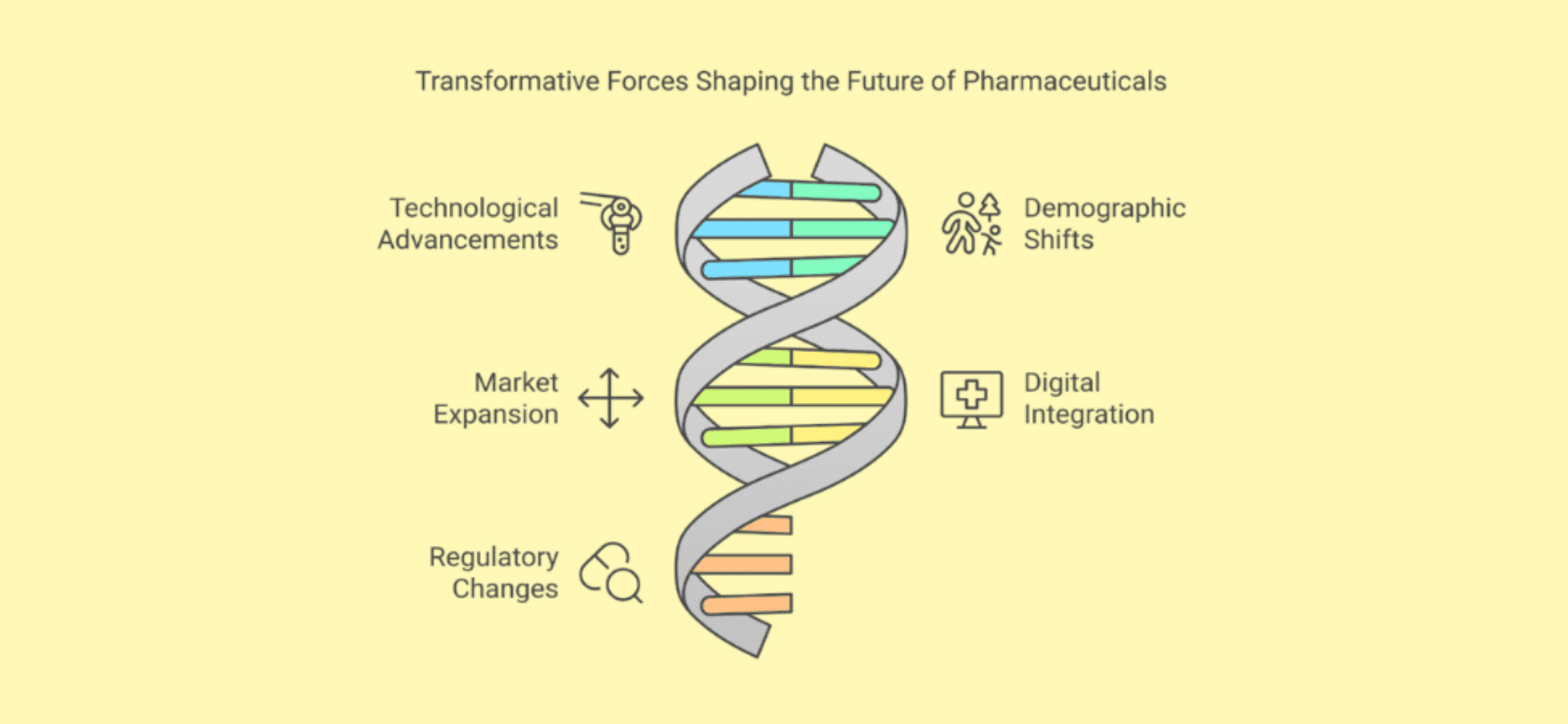
The pharmaceutical industry is on the cusp of a revolutionary transformation. As we approach 2025, the sector is poised for unprecedented growth, driven by groundbreaking advancements in technology, shifting demographics, and evolving healthcare landscapes. From the integration of artificial intelligence in drug discovery to the rise of personalized medicine, the future of pharmaceuticals promises to reshape patient care and redefine industry norms.
But with great potential comes great challenges. Rising healthcare costs, fragile supply chains, and the need for more accessible treatments are pressing issues that demand innovative solutions. How will the industry adapt to these challenges while capitalizing on emerging opportunities? What key factors will propel the pharmaceutical sector into a new era of growth and innovation?
In this blog post, we'll explore the 5 Key Factors Driving Pharmaceutical Industry Growth in 2025. From advancements in biotechnology to the expansion of markets in developing countries, we'll uncover the forces shaping the future of healthcare and discuss how they're set to revolutionize the pharmaceutical landscape. Let's dive in and discover the exciting developments that await us on the horizon.
Advancements in Biotechnology and Personalized Medicine
A. Precision medicine driving targeted treatments
Precision medicine is revolutionizing the pharmaceutical industry by tailoring treatments to individual patients based on their genetic, environmental, and lifestyle Data. This approach enhances treatment effectiveness while minimizing side effects. By 2025, advancements in genomic sequencing will make it more accessible for clinical use due to reduced costs. This will enable the identification of genetic mutations for personalized therapies, driving growth in the pharmaceutical sector.
Key aspects of precision medicine:
- Customized treatments based on patient Data
- Enhanced treatment effectiveness
- Reduced side effects
- Routine clinical use of genomic sequencing
B. Gene therapy breakthroughs
Gene therapy is making significant strides in the treatment of various conditions. Vertex Pharmaceuticals' CRISPR therapy, Casgevy, has achieved commercial success, marking a milestone in gene editing applications. This breakthrough is expected to pave the way for more innovative treatments and expand the scope of CRISPR technology in medicine.
C. AI-powered Drug discovery
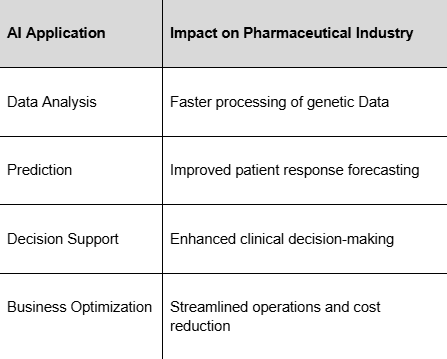
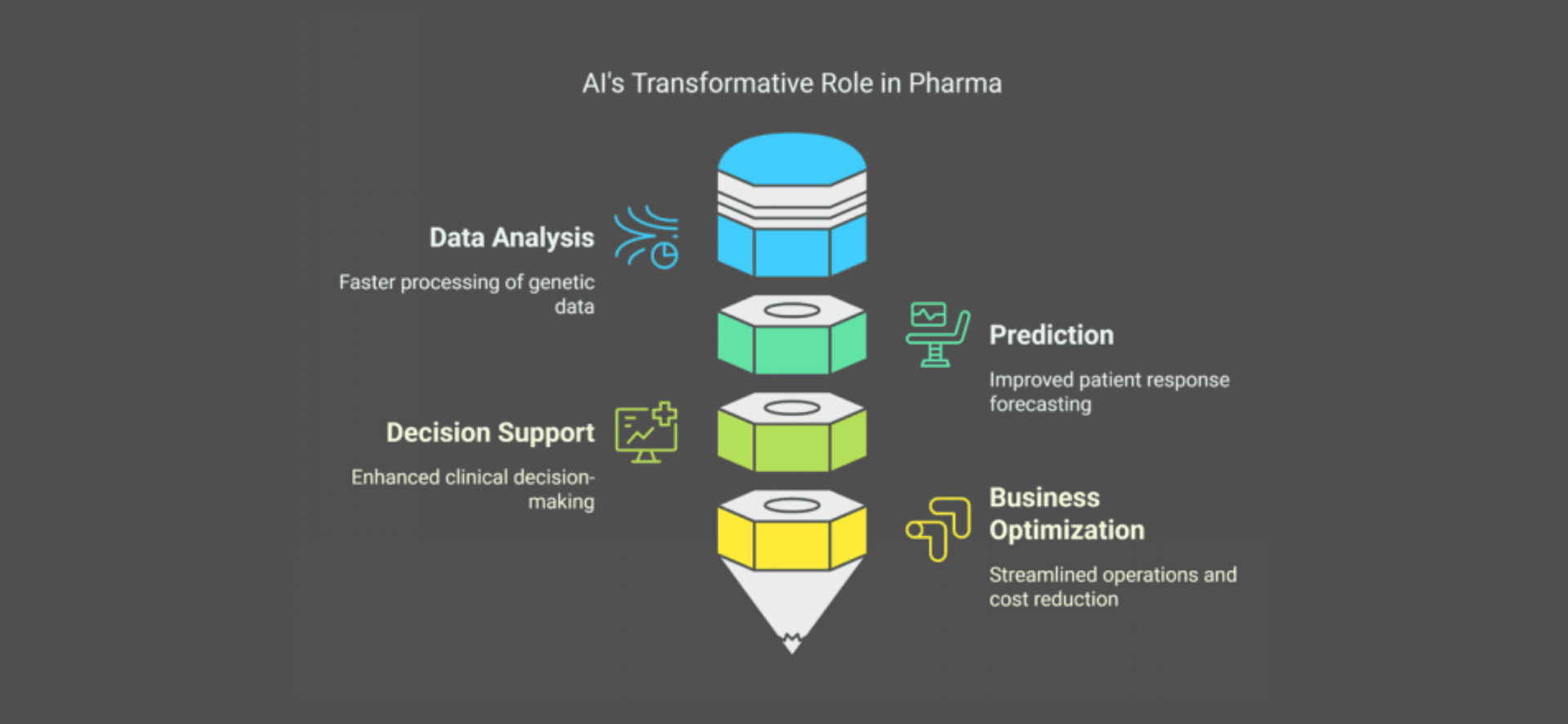
Artificial intelligence is transforming drug discovery processes into the pharmaceutical industry. By 2025, AI and machine learning will play crucial roles in:
A Deloitte survey indicates that approximately 60% of biopharma executives plan to increase investments in generative AI to optimize business operations. Companies like Recursion and Exscientia are leading the way through substantial mergers and collaborations to integrate AI technologies into their development processes.
D. Biomarker identification for early Diagnosis
Advancements in biomarker identification are crucial for early diagnosis and personalized treatment plans. Next-generation sequencing technologies are expanding into multiomics, as demonstrated by key acquisitions and innovations from industry leaders like Illumina and NanoString. This progress enables more accurate and timely identification of disease markers, leading to improved patient outcomes and more targeted drug development.
With these advancements in biotechnology and personalized medicine driving pharmaceutical industry growth, the next crucial factor to consider is the aging population and chronic disease management. This demographic shift presents both challenges and opportunities for industry in developing targeted therapies and long-term care solutions.
Aging Population and Chronic Disease Management
Now that we've explored the advancements in biotechnology and personalized medicine, let's shift our focus to another crucial factor driving pharmaceutical industry growth: the aging population and chronic disease management.
A. Increased demand for geriatric care
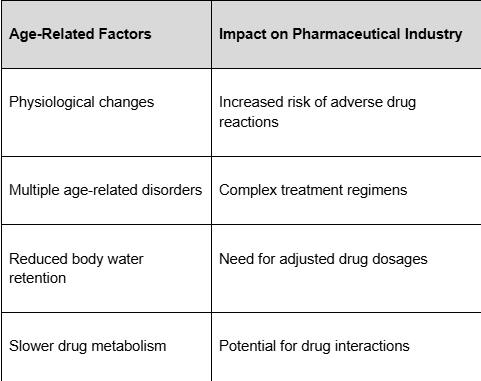
The growing elderly population is significantly impacting health expenditure growth in Western countries. While population aging contributes modestly to overall health expenditure growth, its effects are more pronounced in long-term care compared to acute care. This demographic shift is creating a substantial demand for geriatric care, driving pharmaceutical innovation and sales.
B. Rise in lifestyle-related diseases
The aging population is not only living longer but also experiencing a higher prevalence of chronic conditions. This trend is leading to:
C. Long-Term treatment plans to boost Pharmaceutical sales
The pharmaceutical industry is adapting to the challenges presented by an aging population through various innovative approaches:
- Reducing required drug dosages
- Minimizing adverse drug reaction risks
- Improving medication intake for patients with conditions like xerostomia
- Enhancing drug development processes
- Extracting insights from vast amounts of literature
- Facilitating research with limited Datasets
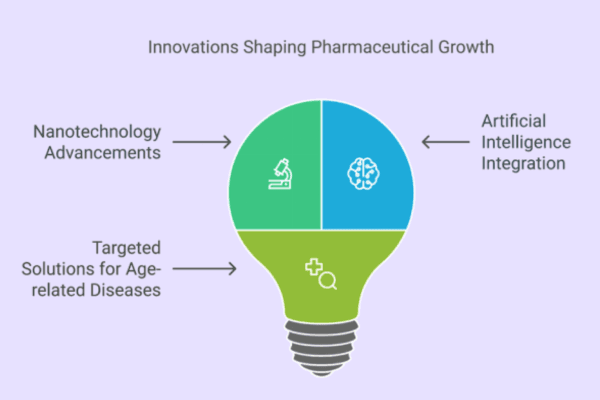
- Developing nanoparticles for more effective drug delivery in COPD treatment
- Creating sub-50nm nanoparticles to overcome the blood-brain barrier for Alzheimer's treatment
These innovations are not only addressing the unique needs of the elderly population but also contributing to long-term treatment plans that boost pharmaceutical sales.
Digital Health Integration and Telemedicine
Having explored the expanding markets in developing countries, we now turn our attention to the transformative impact of digital health integration and telemedicine on the pharmaceutical industry. This sector is experiencing rapid growth due to technological advancements and changing healthcare delivery models.
A. Remote patient monitoring technologies
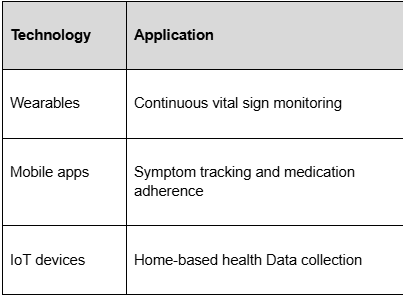
Remote patient monitoring (RPM) technologies are revolutionizing healthcare delivery. These tools allow for continuous tracking of health metrics, particularly for chronic and high-risk patients. Key benefits include:
- Improved patient outcomes
- Reduced hospital remissions
- Enhanced patient engagement
B. Virtual clinical trials
Virtual clinical trials are gaining traction, offering numerous advantages:
- Increased patient recruitment and retention
- Reduced costs and timelines
- Enhanced Data quality and real-time analysis
C. Digital Therapeutics
Digital Therapeutics emerge as powerful complements to traditional treatments:
- Evidence-based interventions
- Personalized treatment approaches
- Integration with existing therapies
D. Blockchain for secure Data Management
Blockchain technology enhances Data security and transparency in the pharmaceutical industry:
- Improved supply chain management
- Enhanced protection against counterfeit medications
- Secure sharing of patient Data across healthcare providers
As we look ahead to regulatory changes and healthcare reforms, these digital health innovations will continue to shape the pharmaceutical landscape, driving growth and improving patient care.
Regulatory Changes and Healthcare Reforms
Previously, we explored the integration of digital health and telemedicine in the pharmaceutical industry. We’ll now examine the regulatory changes and healthcare reforms shaping the sector's future.
Streamlined drug approval processes
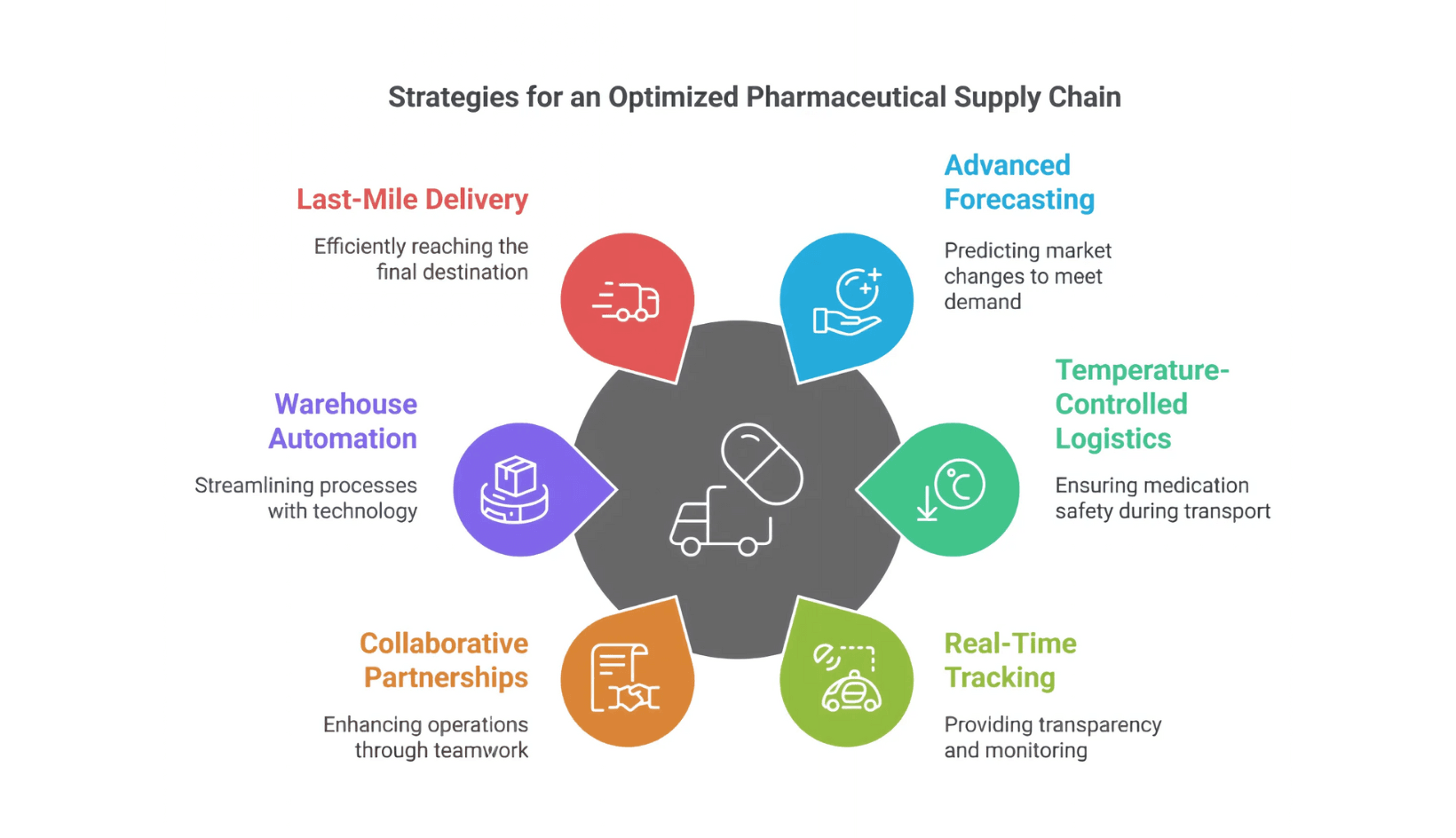
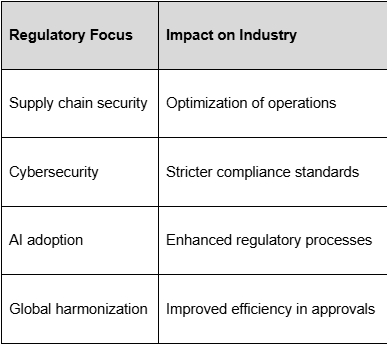
The pharmaceutical industry is adapting to new regulations aimed at securing supply chains, such as the US Drug Supply Security Act and EU's 2024/1860 regulation. These changes are driving companies to optimize existing operations rather than construct new facilities. Collaboration across industries for resource sharing is becoming essential, although it poses compliance challenges.
Incentives for Orphan drug development
Conclusion
The pharmaceutical industry is poised for significant growth in 2025, driven by five key factors that are reshaping the landscape. Advancements in biotechnology and personalized medicine, coupled with an aging population and increased focus on chronic disease management, are opening new avenues for treatment and care. The expansion into developing markets presents vast opportunities for industry players, while the integration of digital health solutions and telemedicine is revolutionizing healthcare delivery. Regulatory changes and healthcare reforms continue to shape the industry's trajectory, influencing everything from drug pricing to market access.